

Wandelkaarten & Fietskaarten van BIBLIOTREK.be
Onze webshop biedt u Wandelkaarten, Fietskaarten, Wandelgidsen & Fietsgidsen, als ook Klimgidsen & Reisgidsen. Geniet van de voordelen met de goede prijszetting van BIBLIOTREK
 Bel +32 476/59.68.37 of mail -
Promoties & Kortingen
De kortingen of in dit geval PROMOTIES genaamd bij Bibliotrek, zijn net zo gerekend dat iedereen artikelen kan vinden, die bij ons op voorraad zijn voor alle duidelijkheid, waarvan er intussen een nieuwe uitgave van is bedoeld. Of die dan al is uitgekomen is een ander verhaal. Onze kortingen gaan tot -20% max, de meeste artikelen staan echter met -10% genoteerd. Toch een manier om te vinden wat u zoekt aan een betere prijs. Meer dan dit kan Bibliotrek zich niet permiteren aangezien de financiële druk op de ondernemingen van vandaag.


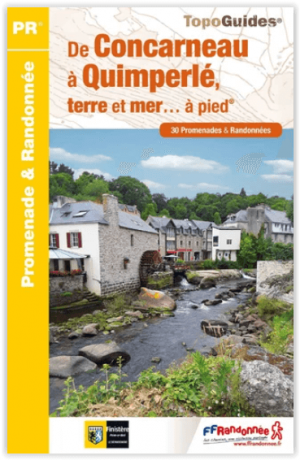


Laatste nieuwe bergwandelingen
Uiteraard zijn er bij Bibliotrek wandelroutes te vinden voor alle soorten wandelaars. Weze dit nu de zondag wandelaar die met het gezin naar een locatie trekt om er de dag door te brengen in de natuur, of de wandelaar die een specifieke wandelroute wil afleggen met een wandelkaart en wandelgids, alles moet kunnen. Dat is ook zo bij Bibliotrek, wij kunnen u zelfs meenemen op ware alpinisme trails over de de gletjers. Hier krijgt u een overzicht van de laatste 5 artikelen die onlangs werden toegevoegd die de echt bergwandelingen voorstellen. Elke 15 minuten schuifd deze op.
- Nieuw


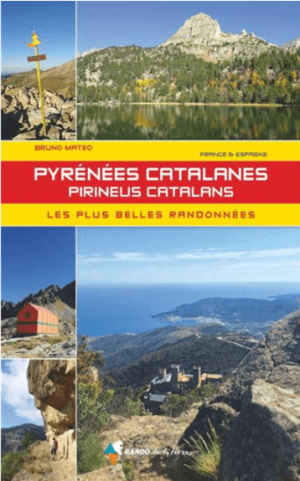

Laatste nieuwkomers
Bibliotrek zou Bibliotrek niet zijn, mochten wij ons gamma niet constant bijpassen, nieuwe weetjes, nieuw uitgekomen artikelen, nieuwe versies van wandelgidsen, vernieuwde versies van wandelkaarten. Onze website wordt dus dagelijks geupdate met nieuwigheden en veranderingen binnen de wandel wereld. Weet u zelf van bepaalde artikelen waar u naar opzoek bent maar u niet kan vinden op onze website?, dan kunt u altijd de vraag aan ons stellen of wij u die evenetueel kunnen bezorgen. Stuur ons een mailtje met u vraag en contact gegevens, en u krijgt bijgevolg de nodig feedback.
- Nieuw
- Nieuw
- Nieuw
- Nieuw
- Nieuw